Variegated Calathea: A Stunning Houseplant with Unique Foliage
Are you looking for a houseplant that not only adds a touch of greenery to your home but also adds a pop of color? If so, then the Variegated Calathea is the perfect plant for you! With its stunning foliage, this plant is sure to make a statement in any room. In this blog post, we will cover everything you need to know about the Variegated Calathea, from its unique features to how to care for it.
What is Variegated Calathea?
Variegated Calathea (Calathea lancifolia) is a tropical plant native to South America. It is a member of the Marantaceae family, which includes many other popular houseplants such as the Prayer Plant and the Bird's Nest Fern. The most striking feature of the Variegated Calathea is its leaves. They are long and narrow, with a beautiful variegation of light and dark green stripes.
Why is it called Variegated Calathea?
The name "variegated" comes from the unique pattern on the leaves. "Calathea" refers to the genus of plants that this species belongs to.
How to Care for Variegated Calathea
If you're considering adding a Variegated Calathea to your collection of houseplants, it's important to know how to take care of it properly. Here are some tips:
Light
Variegated Calathea prefers bright, indirect light. Avoid placing it in direct sunlight as it can burn the leaves. If you have a south-facing window, you may need to filter the light using a sheer curtain or blinds.
Watering
Keep the soil moist but not waterlogged. Water the plant when the top inch of soil feels dry to the touch. Avoid using cold water, as this can shock the plant. Room-temperature or slightly warm water is best.
Humidity
Variegated Calathea prefers high humidity levels, around 60-70%. You can increase humidity by placing a tray of water near the plant or using a humidifier.
Soil
Use a well-draining potting mix that retains moisture but doesn't become waterlogged.
Temperature
Variegated Calathea prefers temperatures between 65°F-80°F (18°C-27°C). Avoid exposing it to temperatures below 60°F (15°C), as this can cause damage to the leaves.
Fertilizer
Fertilize your Variegated Calathea once every two weeks during the growing season with a balanced liquid fertilizer.
Repotting
Repot your Variegated Calathea every two years in the spring. Choose a pot that is only slightly larger than the current one, as the plant prefers to be somewhat root-bound.
Common Problems and Solutions
Like all houseplants, Variegated Calathea can experience problems. Here are some common issues and solutions:
Brown tips on leaves
Brown tips on leaves can be caused by underwatering or low humidity. Make sure you're watering your plant properly and increasing humidity if necessary.
Yellow leaves
Yellow leaves can be caused by overwatering or exposure to cold temperatures. Check the soil moisture level and move the plant away from cold drafts.
Curling leaves
Curling leaves can be caused by underwatering, low humidity, or exposure to direct sunlight. Adjust watering and humidity levels and move the plant away from direct sunlight.
Pests
Variegated Calathea is susceptible to pests such as spider mites and mealybugs. If you notice any signs of infestation, isolate the plant and treat it with an insecticidal soap or neem oil.
Propagation
Propagating Variegated Calathea is possible, but it can be challenging. The easiest method is by division. Wait until the plant has become root-bound, then carefully remove it from its pot and gently separate the roots into smaller sections. Plant each section in a new pot with fresh soil.
Toxicity
Variegated Calathea is non-toxic to humans and pets, making it a safe choice for households with children and animals.
Where to Buy Variegated Calathea
You can purchase Variegated Calathea at most garden centers or online plant retailers. Make sure to choose a healthy plant with no signs of damage or pests.
In conclusion, Variegated Calathea is a stunning houseplant with unique foliage that adds a touch of color and personality to any room. With proper care, this plant can thrive and make a beautiful addition to your collection of houseplants.
FAQs
Q1. How often should I water my Variegated Calathea?
A: Water your Variegated Calathea when the top inch of soil feels dry to the touch. This will vary depending on factors such as humidity levels and temperature.
Q2. Can Variegated Calathea grow in low light?
A: Variegated Calathea prefers bright, indirect light. It can survive in low light conditions, but it may not thrive or produce as much variegation.
Q3. Does Variegated Calathea need fertilizer?
A: Yes, fertilize your Variegated Calathea once every two weeks during the growing season with a balanced liquid fertilizer.
Q4. How do I increase humidity for my Variegated Calathea?
A: You can increase humidity by placing a tray of water near the plant or using a humidifier.
Q5. Can Variegated Calathea be propagated?
A: Yes, Variegated Calathea can be propagated by division.
Q6. What should I do if my Variegated Calathea gets pests?
A: Isolate the plant and treat it with an insecticidal soap or neem oil.
Q7. Can Variegated Calathea be toxic to pets?
A: No, Variegated Calathea is non-toxic to humans and pets.
Q8. How often should I repot my Variegated Calathea?
A: Repot your Variegated Calathea every two years in the spring.
Q9. What kind of soil does Variegated Calathea need?
A: Use a well-draining potting mix that retains moisture but doesn't become waterlogged.
Q10. Where can I buy Variegated Calathea?
A: You can purchase Variegated Calathea at most garden centers or online plant retailers.
15 Variegated calathea Images
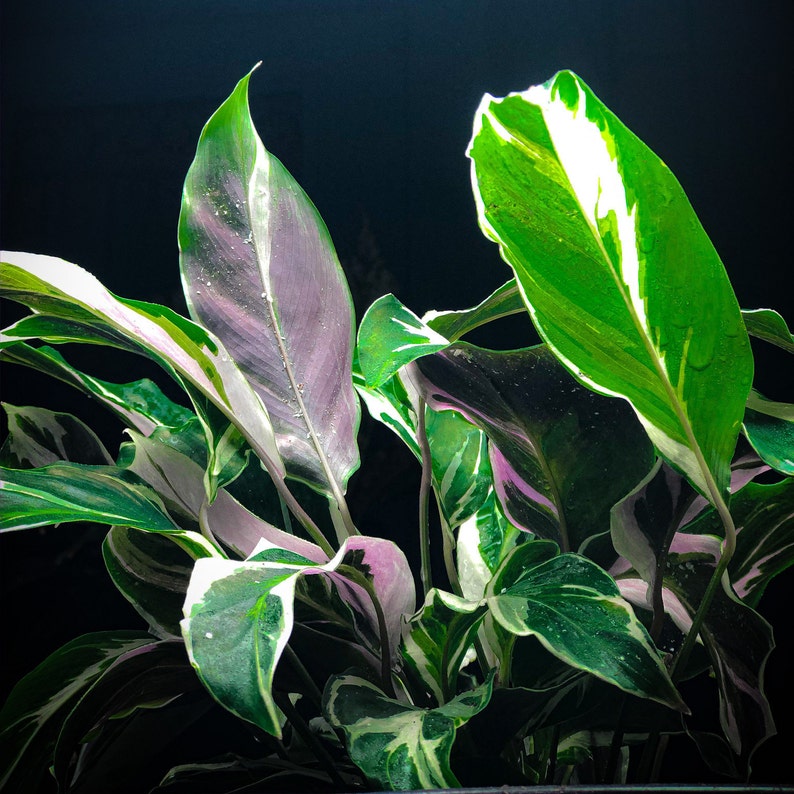
Tricolor Variegated Calathea White Fusion Plants Calathea Plant Air

Rare Variegated Calathea Whitestar Pink White Colourful Houseplant

Ctenanthe Grey Star 20cm Colorful Plants Variegated Plants White Plants

Pretty Plants Foliage Plants Variegated Plants

25 Stunning Calathea Types You Need To Know About Calathea Plant

Pin Stripe Calathea Calathea Ornata Plants House Plants Calathea

Pin On Rare Houseplants

Calathea Ornata Plants Calathea Calathea Plant

Pink Variegated Calathea Also Known As The Calathea Rosa The Leaves

Calathea Rosa Plants Unusual House Unique Items Products

Calathea White Fusion Calathea Plant Variegated Plants White Plants

Calathea White Fusion 4 In 2021 Plants Calathea Calathea Plant

Calathea Bachemiana Calathea Plant Variegated Plants Cool Plants

Calathea Roseopicta Silvia Rose Painted Calathea Variegated Plants

Calathea Louisae Maui Queen Plants Calathea Plant House Plants
Post a Comment for "Variegated Calathea: A Stunning Houseplant with Unique Foliage"